
Quaker Parrot Bird for sale in Needville, Texas | $150


Quaker parrots
Listing Type
Pet for Sale
Listing ID
:230001
Price / Fee
:$150
Location
:Needville, Fort Bend County, Texas
Published
:30+ days ago
Breeder

Listing Description
Rosenberg tx 77471 no shipping
Message me at ***********7
Handfeeding:
Green
Blue
Yellow face
Weaned:
Turquoise
Adult:
Blue dna sexed male
$150-$400
Pet Listing Essentials
Price / Fees
:$150
Frequently Asked Questions about Quaker Parrots
What are Quaker Parrots?
Quaker parrots, also known as Monk parakeets, are small to medium-sized birds known for their lively personalities and charming vocal abilities. They are popular pets due to their affectionate nature and ability to mimic human speech.
What colors do Quaker Parrots come in?
Quaker parrots are available in several stunning color variations, including green, blue, yellow face, and turquoise. These colors make them a visually appealing choice for bird enthusiasts.
Are Quaker Parrots easy to care for?
Yes, Quaker parrots are generally considered easy to care for, but they require a daily routine that includes social interaction, mental stimulation, and proper diet to thrive. Regular handling and engaging toys can help keep them happy.
What is the price range for a Quaker Parrot in Rosenberg, TX?
The price for a Quaker Parrot can range between $150 to $400, depending on the age, color, and whether they have been hand-fed or weaned. For example, adult males with DNA sexing can command a higher price.
Where can I find Quaker Parrots for sale?
You can find Quaker Parrots for sale in Rosenberg, TX, and surrounding areas. Local listings or specialty bird shops can be excellent resources for finding these beautiful birds.
Do Quaker Parrots require special feeding?
Yes, handfeeding is crucial for young Quaker Parrots to ensure they are properly socialized and accustomed to human interaction. Weaned birds will require a balanced diet of seeds, pellets, and fresh fruits and vegetables.
Can Quaker Parrots be kept alone?
While Quaker Parrots can be kept alone, they are highly social creatures and thrive on interaction. It is often recommended to provide them with plenty of socialization through daily interaction or by having a companion bird.


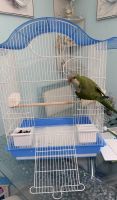


2quaker Parrots -2 Birds -1 Xl Cage, Stander, Egg Incu


