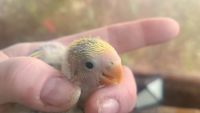
Lovebird for sale in Jersey Shore, Pennsylvania | Petzlover


Baby peach faced lovebirds
Listing Type
Pet for Sale
Listing ID
:303352
Location
:Jersey Shore, Lycoming County, Pennsylvania
Published
:30+ days ago
Breeder

Listing Description
Beautiful handfed babies ready to go to new homes now! These babies have been handled and played with by myself and kids daily, they are very mellow and tame. Would make a great pet or addition to a nice home!
FAQ
What is a Peach Faced Lovebird?
A Peach Faced Lovebird is a small, affectionate bird known for its vibrant colors and playful personality. They are popular pets due to their friendly nature and ability to bond closely with their owners.
Are these handfed baby lovebirds tamed?
Yes, the handfed baby lovebirds available are very mellow and tame. They have been handled regularly and played with by both myself and my children, ensuring they are well socialized and ready for new homes.
What makes these lovebirds a great pet?
Lovebirds are known for their playful and affectionate behavior. They are easy to care for and can provide companionship and entertainment. Their social nature makes them excellent pets for families and individuals alike.
What should I prepare for my new baby lovebird?
Before bringing your new baby lovebird home, ensure you have a suitable cage, toys for mental stimulation, and a balanced diet. Creating a safe and enriching environment will help your new pet thrive.
Where are these baby peach faced lovebirds located?
The baby peach faced lovebirds are located in the Jersey Shore area of Lycoming County, Pennsylvania, United States.
Can lovebirds live with other pets?
Lovebirds can live with other pets, but care should be taken to ensure their safety. It's important to supervise interactions with larger animals and ensure that all pets are compatible with each other.
How do I care for my lovebird?
Caring for a lovebird involves providing a healthy diet, regular social interaction, mental stimulation, and proper hygiene. Regular veterinary checkups are also recommended to ensure your pet's health.
Are Peach Faced Lovebirds noisy?
Lovebirds can be vocal, especially when they want attention or are feeling playful. However, with proper training and socialization, their noise levels can often be managed.


Looking for pair of female and male lovebirds peach faced


Pair of Lovebirds for Sale – With Cage, Drawers & Accessories!