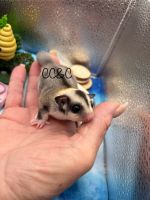
Sugar Glider for sale in Los Angeles, California | $150


Sugar Gliders
Listing Type
Pet for Sale
Listing ID
:421347
Price / Fee
:$150
Location
:Los Angeles, Los Angeles County, California
Published
:30+ days ago
Breeder

Listing Description
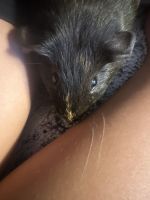
Looking for good homes for my cute sugar gliders babies, there're very playful and loves to be around people. They loves to play with toys....... ***
Pet Listing Essentials
Price / Fees
:$150
FAQ about Sugar Gliders
1. What are Sugar Gliders?
Sugar Gliders are small, nocturnal marsupials that are native to Australia and New Guinea. They are known for their ability to glide through the air thanks to a membrane that extends from their wrists to their ankles.
2. How much do Sugar Gliders cost?
The price for a Sugar Glider is typically around $150 in locations like Los Angeles, California. Prices may vary based on factors such as breeding, age, and overall health.
3. Are Sugar Gliders suitable for families?
Yes, Sugar Gliders can be great pets for families. They are very playful and enjoy being around people, making them social companions. However, it is important to supervise young children when interacting with them.
4. What do Sugar Gliders eat?
Sugar Gliders have a diet that typically includes fruits, vegetables, and a protein source. Specialized Sugar Glider pellets are also available to ensure they get the necessary nutrients.
5. Do Sugar Gliders need a companion?
Yes, it is highly recommended to keep Sugar Gliders in pairs or groups, as they are social animals and thrive on companionship.
6. How big do Sugar Gliders get?
Adult Sugar Gliders typically weigh between 4 to 5 ounces and measure about 10 to 12 inches from head to tail.
7. How much space do Sugar Gliders need?
Sugar Gliders require a spacious cage with plenty of room for climbing and gliding. A multi-level cage with various toys and climbing structures is ideal for their physical and mental stimulation.
8. Can Sugar Gliders be trained?
Yes, Sugar Gliders can be trained to do simple tricks, and they can learn to bond with their owners through positive reinforcement methods.