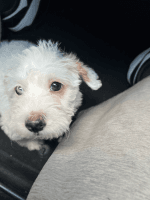
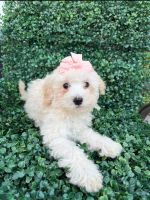
Maltipoo Puppy for sale in Wildomar, California | $2,000


Teacup Maltipoo
Listing Type
Pet for Sale
Listing ID
:520267
Price / Fee
:$2,000
Location
:Wildomar, Riverside County, California
Published
:30+ days ago
Breeder

Listing Description
Meet our lively and adorable teacup Maltipoo! This tiny ball of happiness is full of energy and excitement, ready to fill your life with joy. With a loving father weighing 5 lbs and a caring mother weighing 5.5 lbs, this puppy has the perfect blend of genes. They have been dewormed, vaccinated, and come with all the necessary shot records. Plus, we\'re including a puppy sling for your convenience. Don\'t miss out on the chance to bring this lively companion home! Call or text *** to make this teacup Maltipoo a part of your family.
Pet Listing Essentials
Price / Fees
:$2,000
Frequently Asked Questions about Teacup Maltipoos
What is a Teacup Maltipoo?
A Teacup Maltipoo is a hybrid breed that results from crossing a Maltese and a Poodle, specifically bred to be smaller in size. They are known for their playful and affectionate nature, making them great companions.
What are the size and weight of a Teacup Maltipoo?
Typically, a Teacup Maltipoo weighs between 3 to 7 lbs when fully grown. The parents of our puppy weigh 5 lbs and 5.5 lbs, giving them a great genetic background for a small size.
How much does a Teacup Maltipoo cost?
The price for our Teacup Maltipoo is $2,000. This cost reflects the care and attention provided during the puppy’s early development.
What is included with the Teacup Maltipoo?
When you adopt our Teacup Maltipoo, you will receive a puppy that has been dewormed, vaccinated, and comes with all required shot records. Additionally, we provide a puppy sling for your convenience.
Where is the Teacup Maltipoo located?
Our adorable Teacup Maltipoo is located in Wildomar, Riverside County, California, United States.
Are Teacup Maltipoos good with children?
Yes, Teacup Maltipoos are known to be great with kids. They are friendly, gentle, and enjoy playing, which makes them a wonderful addition to any family.
Do Teacup Maltipoos require special care?
Being a small breed, Teacup Maltipoos should be handled with care. Regular veterinary check-ups, a balanced diet, and adequate exercise are essential to ensure their well-being.